
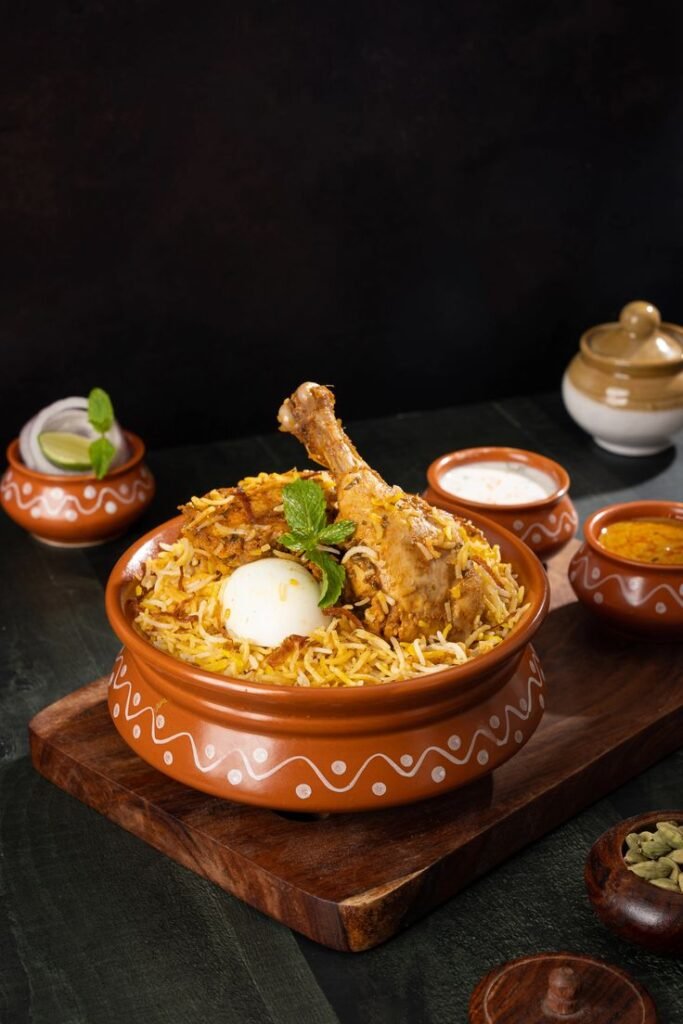
When people think of biryani, names like Hyderabadi and Lucknow often come to mind. However, one of India’s most distinctive and flavourful biryanis comes from the northern region of Kerala—the Malabar Biryani. Famous for its rich aroma, delicate spices, and unique preparation, Malabar Biryani has earned a special place in the hearts of food lovers across the country.
Originating from the Malabar Coast, especially the districts of Kannur, Kozhikode, and Thalassery, this biryani reflects centuries of cultural exchange through the Arab spice trade and Kerala’s vibrant culinary heritage. Unlike many other varieties, Malabar Biryani is prepared using fragrant Kaima (Jeerakasala) rice, giving it a taste and texture that is truly unforgettable.
The History of Malabar Biryani
The story of Malabar Biryani dates back several centuries. The Malabar Coast was one of the world’s busiest spice trading centers, attracting Arab merchants who introduced new cooking techniques and ingredients. Over time, these influences blended with Kerala’s local traditions, creating what we now know as Malabar Biryani.
The dish became especially popular among the Mappila Muslim community, where it evolved into a centerpiece for weddings, festivals, and family gatherings. Today, it remains one of Kerala’s most celebrated traditional dishes.

What Makes Malabar Biryani Unique?
Unlike many other biryanis, Malabar Biryani has several distinctive characteristics.
1. Kaima (Jeerakasala) Rice
Instead of long-grain basmati rice, Malabar Biryani uses small-grained Kaima rice. This rice absorbs spices beautifully while remaining soft and aromatic.
2. Mild Yet Rich Spices
The flavour comes from whole spices such as:
- Cardamom
- Cinnamon
- Cloves
- Bay leaves
- Star anise
- Black pepper
- Fennel seeds
The emphasis is on aroma and balance rather than excessive heat.
3. Layered Cooking Technique
The meat and rice are cooked separately before being layered together and slow-cooked using the traditional dum method. This process allows every grain of rice to absorb the rich flavours.
Types of Malabar Biryani
Several delicious variations exist depending on the main ingredient.
Chicken Malabar Biryani
The most popular version, featuring tender chicken marinated with spices and yogurt.
Beef Malabar Biryani
Known for its rich, bold flavours and commonly enjoyed across northern Kerala.
Mutton Malabar Biryani
A festive favourite prepared during weddings and celebrations.
Fish Biryani
Fresh seer fish or kingfish cooked with aromatic spices creates a lighter yet flavorful version.
Prawn Biryani
Juicy prawns combined with Kaima rice offer a unique coastal taste.
Essential Ingredients
A traditional Malabar Biryani includes:
- Kaima (Jeerakasala) rice
- Chicken, mutton, beef, fish, or prawns
- Onion
- Tomato
- Ginger
- Garlic
- Green chilies
- Yogurt
- Mint leaves
- Coriander leaves
- Ghee
- Cashew nuts
- Raisins
- Whole spices
- Saffron or turmeric-infused milk (optional)
How Malabar Biryani Is Prepared
Step 1: Marination
The meat is marinated with yogurt, ginger-garlic paste, spices, and herbs.
Step 2: Preparing the Masala
Onions are fried until golden before adding tomatoes, spices, and the marinated meat.
Step 3: Cooking the Rice
Kaima rice is partially cooked with whole spices until almost done.
Step 4: Layering
Cooked meat and rice are layered inside a heavy-bottomed vessel.
Step 5: Dum Cooking
The pot is sealed and cooked over low heat, allowing the flavors to blend perfectly.
Popular Accompaniments
Malabar Biryani is commonly served with:
- Raita
- Pickle
- Pappadam
- Date pickle
- Coconut chutney
- Lemon pickle
These side dishes balance the richness of the biryani.
Nutritional Value
A typical serving of chicken Malabar Biryani provides approximately:
- Calories: 500–700 kcal
- Protein: 25–35 g
- Carbohydrates: 55–70 g
- Fat: 18–30 g
The exact nutritional content depends on the ingredients and portion size.
Why People Love Biryani
Its popularity comes from several factors:
- Rich aroma
- Balanced spices
- Soft Kaima rice
- Authentic Kerala flavours
- Suitable for celebrations
- Comforting and satisfying meal
- Cultural significance
Cultural Importance
In Kerala, Biryani is much more than food. It is an essential part of weddings, Eid celebrations, family gatherings, and festive occasions. Preparing biryani together is often a family tradition passed down through generations, making the dish a symbol of hospitality and togetherness.
Tips for the Perfect Biryani
- Always use authentic Kaima rice.
- Cook the rice only until it is about 70–80% done before layering.
- Fry onions until golden brown for a richer flavour.
- Use fresh herbs for maximum aroma.
- Cook on low heat during the dum stage.
- Avoid using excessive chili powder, as Biryani is known for balanced flavours.
Conclusion
Biryani is one of Kerala’s greatest culinary treasures, celebrated for its fragrant Kaima rice, carefully balanced spices, and rich cultural history. From festive occasions to family meals, this beloved dish continues to bring people together with its comforting aroma and unforgettable taste. Whether enjoyed in a traditional home or a renowned restaurant in northern Kerala, every serving tells a story of heritage, hospitality, and exceptional craftsmanship.
If you have never experienced authentic Biryani, it is a dish worth trying at least once. Its unique combination of flavours and traditions makes it one of the finest biryanis in India.
WRITTEN BY SAFA HAMEED