
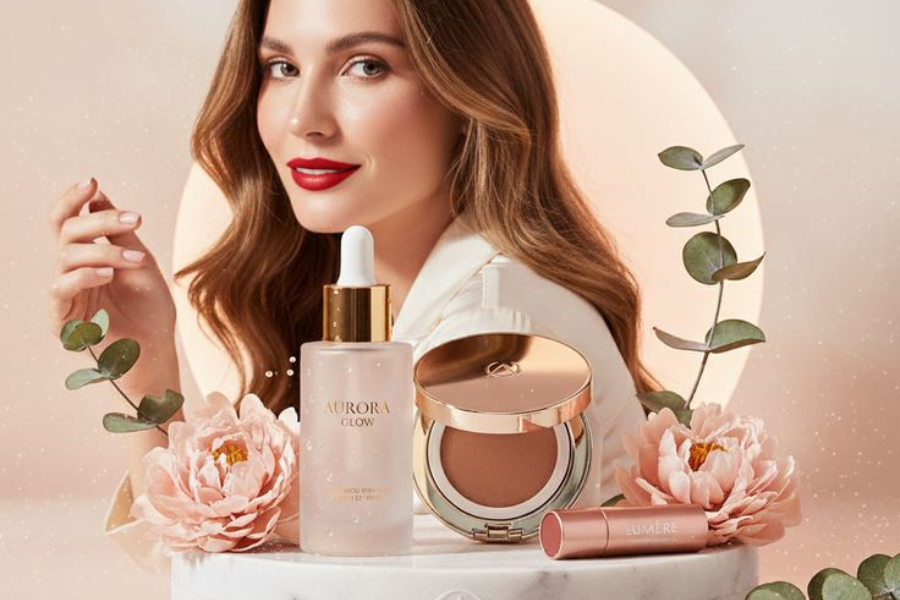
The changes to the cosmetics industry brought on by social media have had a great impact on how people select their skincare and other cosmetic products. Before the rise of social media, consumers primarily relied on advertisements from cosmetic brands to make their product selections. Today, beauty influencers play a significant role in the decision-making process of consumers. The usage and success of beauty influencer marketing have therefore become key drivers in the purchase behavior of cosmetic products among young consumers, including students.

What is Beauty Influencer Marketing?
Beauty influencer marketing is defined as a promotional activity of cosmetic brands through social media influencers in the areas of beauty, skincare, cosmetic products, and personal grooming. Beauty influencers contribute to the development of many different types of content, such as product reviews, tutorials, and daily beauty routines. The opinions of beauty influencers can have a major influence on the purchasing decisions of consumers.
Building Personal Connections with Consumers
One of the contributing factors to the success of beauty influencer marketing is the personal connection that influencers create with their audience. Beauty influencers openly share their beauty routines, their experiences with skin and other skin-related issues, along with common skin-related issues such as acne, dryness, or sensitive skin. The fact that beauty influencers are relatable and trustworthy means that consumers believe that beauty influencers truly understand their needs and preferences better than cosmetic brands.
Use of Real Life Product Experience
Real-life product experiences heavily impact consumers in how they purchase cosmetic products. Most beauty brands have very specific advertisement campaigns based on the idealised results produced by professional photo models and computer-generated graphics. In comparison, beauty influencer advertisements take on a more realistic perspective where consumers can gain insight into the actual performance of a beauty product when tested by a real-life person.
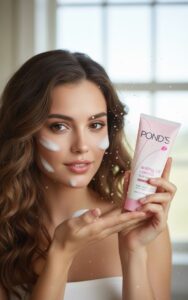
Transparency and Honest Reviews
Influencer marketing also relies heavily on transparency and authentic reviews from its audience. Influencers will often discuss both pros and cons of a product, such as price, potential adverse effects, and fit for various skin types. When influencers do this, it creates credibility with their audience; unlike traditional advertisements, many brands do not mention any limitations around the products they are selling, so when people read about products on the internet, there will be more trust placed in the reviewers as compared to the brand.
The Influence of Social Media Sites
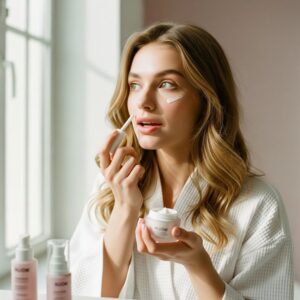
Platforms like Instagram, YouTube, and TikTok have been critical to the proliferation of beauty influencer marketing across the internet. They enable content creators to produce video content (tutorials, live demos) that is visually-driven and allows consumers to see how cosmetics look and function in real life. These types of videos strongly influence consumers in their decision-making processes related to purchasing cosmetics.
Influence of Peers on Trust
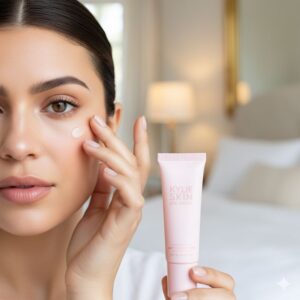
Many people view beauty influencers as their peers instead of as an advertisement. Viewing the recommendations of a beauty influencer as if they were receiving the same type of advice from a close friend. In fact, studies show that many young consumers trust the opinions of their peers more than they will a company’s promotion of a product. Young consumers tend to use social media to get beauty trends and product suggestions from beauty influencers whom they view as peers, making this influence even stronger.
Long-term Trust and Consistency
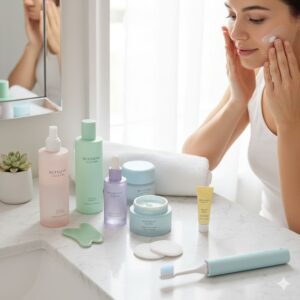
Influencers with consistent product reviews and updates can create strong, long-term trust with their followers. Followers get to know an influencer’s skin type and preferences the more they see an influencer’s honesty about products. The more consistent an influencer is over time, the greater the influence they will have on a follower’s cosmetic buying behaviour.
Influencer Storytelling
Beauty influencer marketing thrives on the art of storytelling. Influencers share how their favourite products fit into their daily lives, providing solutions for real-life situations. They do this playfully and entertainingly, making the storytelling aspect of influencer marketing feel authentic and personal. Most brand advertisements focus solely on selling product features, while influencer content focuses on the emotional connection created through the storytelling process.

Conclution
In conclusion, the beauty influencer marketing strategy has been influential in the purchasing patterns of consumers in the cosmetic sector. The elements of connection with the consumer, authentic experience, transparency in partnerships, social influence, and the element of storytelling combine to make beauty influencers considerably more credible than cosmetic brands. At present, social media is expanding in fits and bursts, and so it is likely that beauty influencer marketing’s influence will continue to increase within the cosmetic sector going forward.
Autherised by: Ayesha and Hannath