
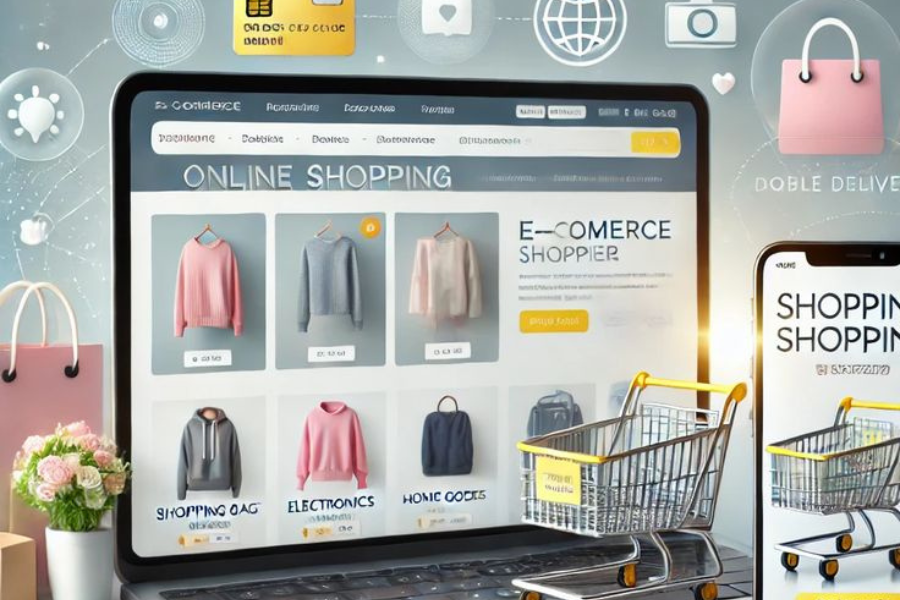
Online shopping & Consumer trends in 2025
As of 2025, consumers will have shifted their purchasing habits from convenience and impulse shopping only towards more controlled, intentional choices. This includes a rise in AI-powered personalized recommendations, a trend toward minimalism, and the emergence of trust among consumers regarding “digital-first” brands.
Let’s explore the biggest online shopping and consumer trends shaping 2025.
In 2025, online shopping will represent a major change in how people shop compared to today. More people will be purchasing intentionally and being ethical towards the environment by implementing AI-based shopping recommendations into their purchasing decisions. People will focus on purchasing only high-quality items instead of being wasteful or purchasing excessive amounts. Technology-style gadgets that are affordable and digital-first brands will be more appealing to consumers because of their emphasis on providing value, personalization, and reassurance (trust) to their users. breakthrough. All these trends point to an evolution of online shopping from being simply about convenience, but now it is a much more reflective and purposeful shopping experience; therefore, the online shopping evolution has a much larger impact on society.
Why People Prefer Digital Brands Over Traditional Ones
Digital-first brands are dominating online shopping in 2025. Consumers prefer digital brands and D2C (Direct-to-Consumer) brands because they offer:
• Better pricing without middlemen
• Transparent communication
• Strong social media presence
• Faster customer support
AI-Recommended Products: Personalized Shopping Experience
Artificial Intelligence has transformed how people shop online. In 2025, AI-recommended products will play a major role in influencing buying decisions.
Online shopping is becoming increasingly efficient and enjoyable thanks to e-commerce platforms that leverage artificial intelligence (AI) and machine learning (ML) to track customer analytics. By analyzing user behavior and preferences based on previous purchases, these technologies allow e-commerce platforms to create personalized product recommendations for each shopper.
With this new level of personalization, customers no longer have to spend endless amounts of time scrolling through irrelevant items. Instead, they can quickly find what they want because they are presented with highly relevant recommendations. AI-based personalization tools help minimize the number of impulse buys by providing tailored product recommendations that align with the buyer’s true needs.
As AI technology continues to improve and develop, many consumers will no longer shop in traditional marketplaces; instead, they will shop in virtual environments that are similar to personal assistants.
Popular budget tech purchases include:
• Smart home accessories
• Wireless earbuds
• Productivity gadgets
• Affordable fitness trackers
The Rise of Conscious Shopping
Conscious shopping is a trend gaining popularity in 2025 as consumers become more concerned about how their purchases are made, packaged, and shipped. More consumer prioritization is given to the environmental impact, ethical sourcing, and sustainable practices associated with the products they buy, and shoppers like to know if they are purchasing products made with eco-friendly materials, using fair labor practices, and produced via responsible manufacturing methods.
This trend seems especially prevalent in Gen Z and Millennials, with many consumers actively seeking brands that align with their values. A large number of consumers are willing future ready to pay more for items that offer ‘durability’, ‘sustainability’, and ‘transparency’. Consequently, conscious shopping is likely to remain a standard expectation within e-commerce.
The Role of Reviews, Influencers, and Social Proof
Research before buying products is the norm for consumers in 2025. Additionally, many consumers rely on product reviews, influencer opinions, and user-generated content before they purchase an item, as these sources greatly influence their purchasing decisions. Consumers tend to put more faith into real-life experiences than traditional methods of marketing (i.e., commercials).
Video reviews and unboxing videos, as well as honest criticism from consumers, allow potential buyers to approach their decision with self-assurance. Brands are more credible because they are more transparent and allow for interaction between the company and its customers.
conclusion
Consumer Trends and Online Shopping Patterns in 2025 indicate that consumers are becoming increasingly intentional when it comes to shopping. Consumers are taking a more conscious approach to shopping with the help of technology, including Artificial Intelligence (AI), minimalist purchasing of products and services, budget-friendly technology, and placing their trust in brands that have a digital-first focus. The new consumer behaviour will reshape e-commerce in the years to come, and brands that place importance on transparency, provide value, and create an experience for their customers will succeed.
Authorised By: Hannath NK & Fathimathul Safa