
A Shift Toward Gentler Living
Soft Life culture is becoming one of the most talked-about lifestyle shifts on the internet right now, as more people move away from constant productivity and embrace a slower, gentler way of living.
It’s a different time on the internet these days,” she said thoughtfully when I spoke with her by phone a few days ago. “Everyone is posting about doing things a little slower.” Sometimes it feels like a backlash against the loud success stories and time-management advice chock-full of productivity tips that once flooded the online airwaves. But what’s happening now goes deeper than that. It reflects a growing interest in Soft Life culture, a way of living that prioritizes ease, balance, and emotional well-being.
This fascination didn’t develop overnight. It is the result of burnout, constant digital saturation, and a growing desire to unplug. To fully understand why this shift feels so powerful, it helps to look at the lifestyle people are stepping away from — and the gentler way of living they are choosing instead.
Understanding Soft Life Culture
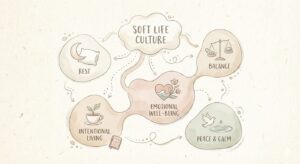
Soft Life culture promotes the idea to live intentionally, not pressured. It emphasizes the preservation of personal energy, the construction of emotional barriers, and the pursuit of peacefulness whenever it is feasible. This lifestyle in no way declares the rejection of ambitions and developments but only asks the simplest question: Is it really a lifestyle that promotes my well-being? In many cases, the solution to the puzzle is to simply live more mindfully and more slowly.
“The essence of Soft Life is about being comfortable, feeling safe in your emotions, and creating sustainable happiness,” she added.
The Burnout Behind the Trend

Hustle was the sought-after value for years. Being busy was equivalent to being important. Being idle was equivalent to being useless. However, the culture of hustle caused burnout, particularly in the younger generation. Being pushed to perform, to compare, and to stay on the radar caused emotional exhaustion to set in. People felt burnt out before they achieved what they set out to do. The price of never-ending productivity became too high to pay. The Soft Life culture is the antidote to the burnout that the hustle culture always caused.
How Social Media Shaped the Soft Life Aesthetic

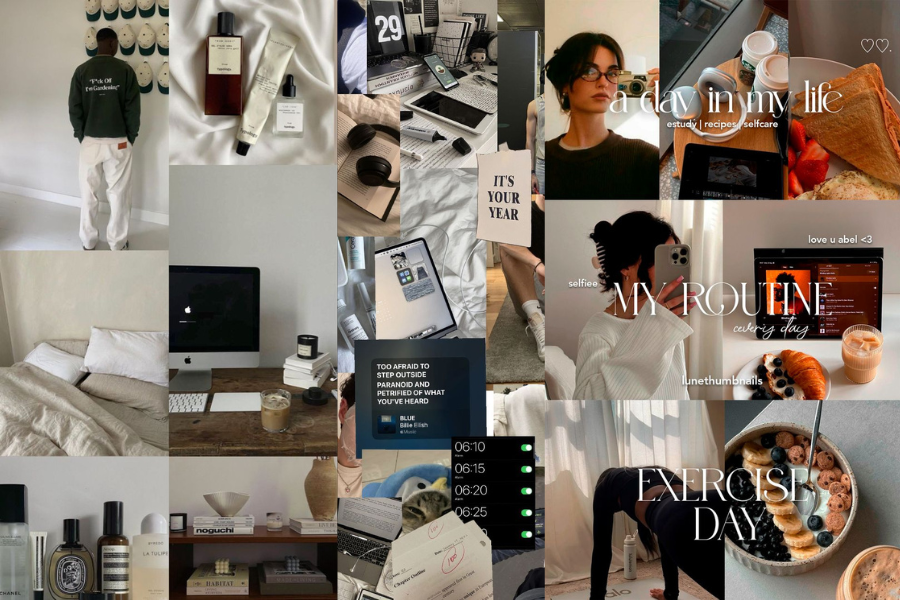
Social media played a major role in spreading this lifestyle shift. Calm visuals, gentle routines, and slow moments became a form of emotional escape.
Instead of flashy achievements, people began sharing:
• Simple morning rituals
• Quiet personal routines
• Intentional breaks from online noise
These moments felt relatable and comforting. They reminded viewers that life doesn’t always have to feel rushed to be meaningful.
The Rise of a Slow Living Mindset
Closely connected to Soft Life culture is the slow living mindset. This approach encourages people to be present, reduce unnecessary stress, and move through life with awareness.Slow living isn’t about doing less for the sake of it. It’s about doing things with purpose. Choosing quality over speed. Allowing space for rest without guilt.This mindset appeals to people who want long-term well-being rather than short bursts of productivity followed by burnout.
Redefining What Success Looks Like
One of the most powerful aspects of this trend is how it reshapes the idea of success. Traditional success often meant constant achievement and visible progress. Now, success feels more personal.
For many, it looks like:
• Balanced routines
• Emotional stability
• Time for personal growth
• Freedom from constant pressure
Soft Life culture supports this shift by validating rest and self-care as meaningful choices, not weaknesses.
Is Soft Living Sustainable?
Some critics view this lifestyle as temporary or unrealistic. However, its popularity suggests a deeper need. In a world that feels increasingly fast and demanding, gentler ways of living feel necessary.While trends may evolve, the desire for balance and peace is unlikely to disappear. The language might change, but the values behind it will remain.
Choosing Ease in a Busy World
The obsession with Soft Life culture reflects a larger cultural moment. People are tired of glorifying exhaustion and are ready to live in ways that support their mental and emotional health.By stepping away from hustle culture burnout and embracing a slow living mindset, many are finding a version of success that feels kinder and more sustainable.In the end, Soft Life living isn’t about escaping life — it’s about learning how to live it gently.
For more update Follow: OPSULE