
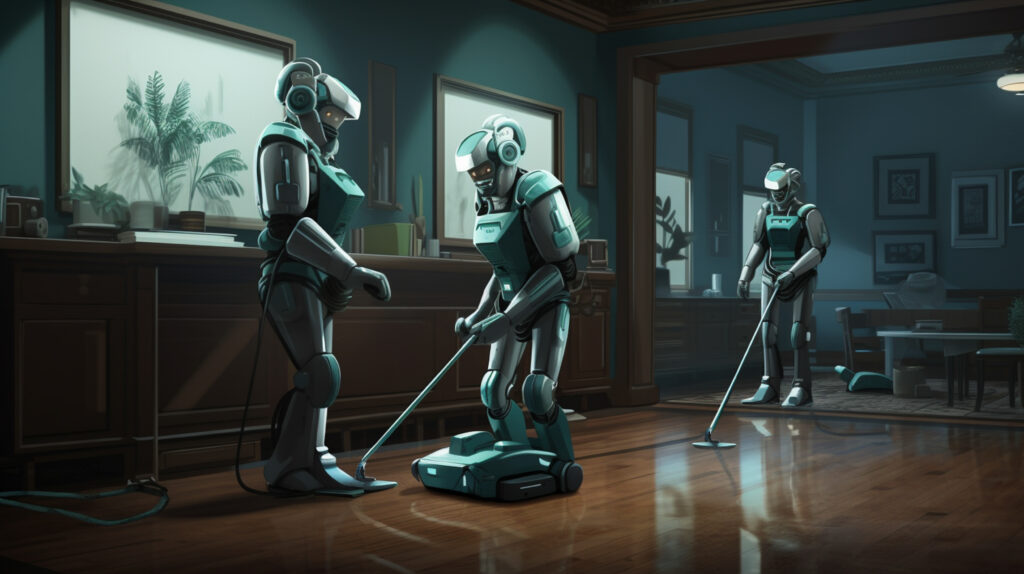
1. Introduction to Robotic Helpers at Home
Today in modern homes, robotic helpers at home are no longer something from the future but a reality. They include humanoid robots such as LG’s CLOiD, as well as stair-climbing vacuum robots and other intelligent devices. Combining intelligence, automation, and convenience, these robotic helpers at home are revolutionizing the way we perform household chores. Unlike traditional appliances, they are capable of interaction, learning, and adaptation, making them a smarter and more efficient addition to modern living spaces.
2. Humanoid Assistants: More Than Just Machines
The LG CLOiD is an example of a humanoid robot and one of the most advanced robotic helpers at home, capable of more than just performing tasks. It can interact with members of its owner’s household, transport items, and even organize daily schedules. Moreover, LG CLOiD’s friendly and humanoid appearance allows people to interact with it naturally. In addition to physical assistance, it features voice control functionality and can adjust its operations depending on household habits, making it a truly intelligent and adaptable robotic helper at home.
3. How Humanoids Learn and Adapt
Learning is one of the biggest advantages humanoid assistants have over other types of assistants. LG’s CLOiD is capable of storing routines, foretelling what a user wants, and streamlining task performance. To illustrate, CLOiD can start delivering laundry to the living room automatically and can remind a user of activities that are scheduled to happen. Such flexibility ensures humanoid assistants are quite valuable and reactive in a dynamic setting such as a busy household.
4. Stair-Climbing Robot Vacuums: Cleaning Redefined
Humanoids concentrate on interaction, whereas stair-climbing robot vacuums offer effective cleaning solutions. Regular robot vacuums find it hard to climb stairs and clean uneven surfaces. However, modern robot vacuums have overcome this problem with their self-adjusting wheels, gyroscopes, and advanced navigation systems. Such vacuums allow easy conversion of floors, detection of obstructions, and optimal route cleaning, thereby keeping the entire house sparkling clean without any human intervention.
5. Improving Quality of Life
Robotic assistants in the home are greatly beneficial to senior members or those with mobility impairments. These humanoid assistants are capable of carrying loads, delivering items, and sending reminders, while the staircase-climbing vacuum cleaner ensures a clean floor is kept automatically. The presence of such robotic assistants in the home helps the residents to be self-reliant, reduces both physical and mental strain associated with home chores, and ensures a quality life is achieved.
6. Smart Home Integration
The home robotic helpers are increasingly integrated into smart home systems for efficiency. Humanoids and robot vacuums communicate to coordinate activities that take action upon app commands. For example, a humanoid helper might deliver the laundry and send in a vacuum afterward to clean up. This provides its integration into ensuring that tasks are done efficiently without most of human supervision, making the home an automated intelligent space.
7. Energy Efficiency and Sustainability
Many robotic helpers at home are designed to be highly efficient, excelling in both power consumption and noise reduction. Modern robot vacuum cleaners and humanoid assistants use intelligent algorithms that optimize their actions, conserving energy while maintaining top performance. By combining the benefits of automation with eco-friendly design, these devices not only make daily life easier and more enjoyable but also promote a sustainable and responsible lifestyle, helping users live smarter and greener.
8. Challenges and Future Potential
Despite their remarkable benefits, robotic helpers at home still face some challenges. Humanoid robots can struggle with complex tasks, and stair-climbing vacuum robots may encounter difficulties in cluttered spaces. However, rapid advancements in artificial intelligence, sensors, and robotics are steadily enhancing their performance, reliability, and adaptability. The future promises even smarter and more capable robotic assistants at home that can handle intricate household tasks independently, making homes more efficient, intelligent, and effortlessly managed.
Conclusion
Humanoid helpers, such as the LG CLOiD, as well as self-climbing robotic vacuum cleaners, are changing the dynamics of home cleaning. Thanks to the time and labor they save, as well as enhancing accessibility, household robots are giving home living an exciting make-over. Robotic aids have in store for us the benefits of convenience, effectiveness, and companionship in doing day-to-day activities. With advancements in technology, these domestic appliances will become an integral part of homes, giving us smarter, cleaner, and comfortable living.
authers: