
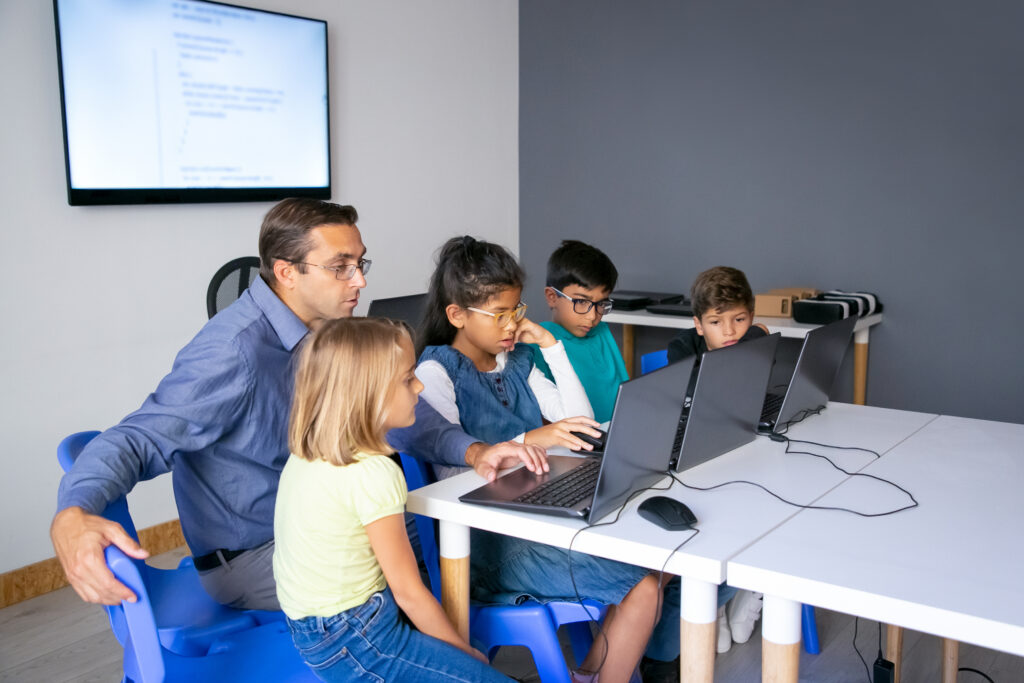
The Impact of Technology on Education has transformed the traditional learning system into a modern and flexible process. Technology such as computers, smartphones, and the internet has changed how students learn and how teachers teach. The impact of technology on education is visible in classrooms, online platforms, and self-learning environments across the world.

Impact of Technology on Education –
The Impact of Technology on Education refers to how digital tools such as computers, mobile phones, and the internet have changed the way students learn and teachers teach. The impact of technology on education has made learning more flexible, interactive, and modern.
Access to Information –
One major impact of technology on education is easy access to information. Students can use online libraries, e-books, and educational websites to study anytime and anywhere, which increases learning opportunities.
Student Engagement –
Student engagement is the level of attention and interest students show in learning activities. Technology increases engagement through interactive videos, quizzes, animations, and games, making learning more enjoyable.
Digital Divide –
The digital divide refers to the gap between students who have access to digital devices and internet facilities and those who do not. This inequality can create learning difficulties for students from economically weaker backgrounds.
Health and Distraction Issues –
Health and distraction issues include problems such as eye strain, headaches, lack of physical activity, and reduced concentration due to excessive screen time. There is also a risk of students being distracted by social media and online games.
Future Readiness –
Future readiness means preparing students with technological skills needed for higher education and modern jobs. Learning to use digital tools helps students become confident, skilled, and adaptable in a technology-driven world.
Technology in Education –
Technology in education refers to the use of digital tools such as computers, tablets, smartphones, and the internet to support and improve the teaching and learning process. It helps make education more modern, flexible, and interactive for both teachers and students.
Access to Information –
Access to information means that students can easily find study materials through online sources such as educational websites, e-books, video tutorials, and digital libraries. This allows learners to study beyond textbooks and gain updated knowledge on different subjects.
Online Learning –
Online learning is a system of education in which students attend classes through digital platforms instead of traditional classrooms. It provides opportunities for learners in remote areas to receive quality education and allows students to learn at their own pace and comfort.
Conclusion:
The impact of technology on education has made learning more accessible, interactive, and efficient. While it offers many benefits, it also brings challenges that must be managed carefully. When used wisely, the impact of technology on education can improve the quality of learning and prepare students for a better future.
WRITTEN BY-NEHLA KP