
Future of Electronics: Powering the Next Digital Revolution
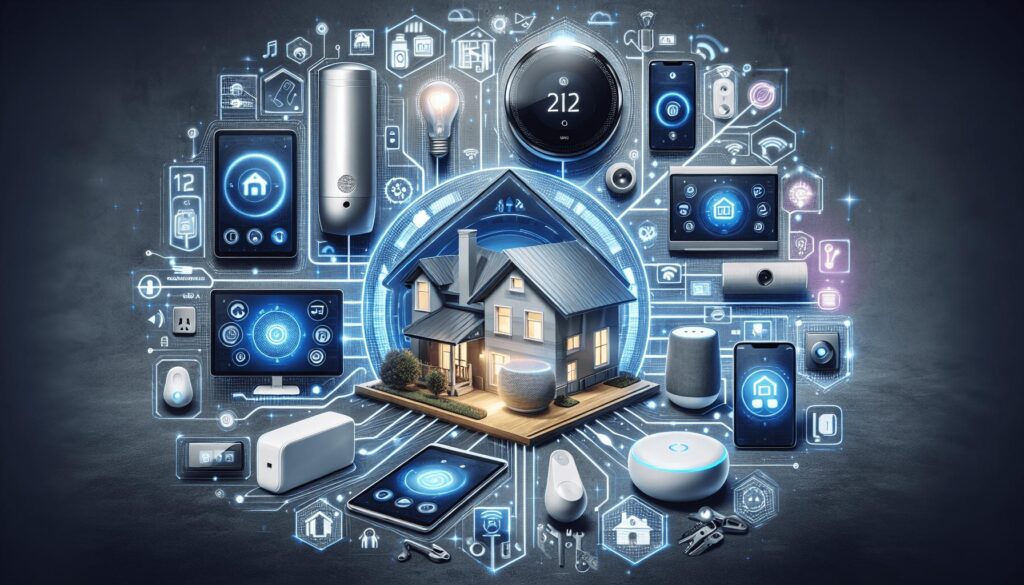
The future of Electronics is driving a massive shift in how humans interact with technology. From smart homes and artificial intelligence to wearable devices and automated systems, innovation is transforming everyday life. The future of Electronics is centered around intelligence, connectivity, and sustainability, making devices more efficient and user-friendly than ever before.
Smart Technology and Future of Electronics

One of the most important developments in the future of Electronics is the rise of smart technology. Devices are no longer isolated; they are part of a connected ecosystem that communicates and adapts to user behavior.
Smartphones, smart TVs, and smart home systems are becoming more intelligent through artificial intelligence. These devices can now learn patterns, suggest actions, and automate daily tasks. This makes life more convenient and improves efficiency in both homes and workplaces.
Voice assistants and AI-powered systems are also playing a big role in simplifying control across multiple devices.
Artificial Intelligence Driving Electronics Growth
Artificial intelligence is at the heart of the future of Electronics. It enhances performance, improves personalization, and enables automation at a large scale.
AI helps electronics to:
Understand user preferences
Predict future actions
Optimize energy usage
Improve security systems
Deliver personalized experiences
With continuous advancements in machine learning, electronics are becoming more adaptive and intelligent, leading to smarter ecosystems.
Future of Electronics in Connected Homes
Smart homes are a key part of the future of Electronics. Connected systems allow users to control lighting, temperature, appliances, and security from a single device or app.
- Remote home control
- Energy efficiency optimization
- Enhanced security monitoring
- Automated daily routines
- Seamless device integration
As IoT (Internet of Things) expands, homes will become more responsive and self-managing, improving comfort and safety.
Sustainable Innovation in Electronics
Sustainability is a major focus in the future of Electronics industry. Companies are developing eco-friendly solutions to reduce environmental impact and improve energy efficiency.
Key sustainability trends include:
Low-power consumption devices
Recyclable electronic components
Green manufacturing processes
Reduced carbon emissions
Durable product designs
These innovations not only benefit the environment but also help consumers reduce long-term costs.
Entertainment and Digital Experience Evolution


Entertainment technology is rapidly evolving within the future of Electronics. From immersive gaming to ultra-HD streaming, digital experiences are becoming more realistic and engaging.
Modern systems offer:
High-resolution displays
Virtual reality experiences
As processing power increases, entertainment will become more immersive and personalized.
Wearable Devices and Personal Electronics
Wearable electronics are also shaping the future of Electronics. Smartwatches, fitness trackers, and health-monitoring devices are becoming essential for modern lifestyles.
Future wearables will focus on:
- Real-time health monitoring
- AI-based health insights
- Extended battery life
- Seamless connectivity
- Advanced biometric tracking
These devices help users stay connected while improving health and productivity.
Challenges in the Electronics Industry
Despite rapid innovation, the future of Electronics faces challenges such as data privacy, cybersecurity risks, and electronic waste management.
Cloud gaming platforms
Immersive sound systems
Interactive content environments
To overcome these challenges, companies must focus on:
- Strong data protection systems
- Ethical AI usage
- Secure device communication
- Sustainable production practices
Addressing these issues is essential for long-term industry growth
Conclusion
The future of Electronics is shaping a smarter, more connected, and more efficient world. With advancements in AI, smart homes, wearable devices, and sustainable technology, electronics are becoming more intelligent and integrated into everyday life. The future of Electronics will continue to redefine how people interact with technology, creating a more innovative and connected future.
Written by Thanha ebrahim