
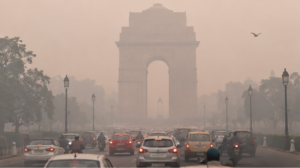
Delhi air pollution is a major environmental and public health challenge affecting millions of people in India’s capital. The problem becomes especially visible during autumn and winter, when a grey haze covers the city and makes outdoor activities uncomfortable. However, dirty air is not limited to one season. Understanding its causes, effects and solutions is essential for building a healthier city.
What causes Delhi Air Pollution?
No single source is responsible. Several local and regional activities release pollutants into the atmosphere.
Vehicle emissions are a significant contributor. Cars, buses, trucks and two-wheelers release harmful gases and fine particles, particularly when congestion keeps engines running. Industrial activity and power generation also add pollutants.
Dust is another important source. Co
nstruction and demolition work, uncovered building materials and dust lifted from roads increase particulate matter. Burning household waste, dry leaves and other biomass adds smoke and toxic substances. During October and November, smoke from crop-residue burning in neighbouring states can travel towards the capital and worsen already poor conditions. Government assessments identify these as interacting sources, not a problem caused by one activity alone.
Why Does Delhi Air Pollution Get Worse in Winter?
Weather plays a major role in seasonal pollution. During colder months, wind speeds can fall and the atmosphere may not mix effectively. Temperature inversion can prevent polluted air from rising and dispersing. Emissions therefore remain closer to the ground and build up.
Fog and low temperatures can make the haze appear thicker, while limited sunlight and stagnant conditions encourage the formation and persistence of secondary particles. The Commission for Air Quality Management explains that winter pollution results from ongoing emissions, regional movement of pollutants and unfavourable weather.
Health Effects of Poor Air Quality
Air pollution affects people of every age, but children, older adults, pregnant people and those with existing heart or lung conditions may face greater risks. Fine particulate matter, especially PM2.5, can enter deep into the lungs. Exposure may cause coughing, throat irritation, breathlessness and worsening asthma symptoms.
Long-term exposure is associated with a higher risk of respiratory and cardiovascular diseases. Delhi air pollution can also disrupt outdoor exercise and everyday routines. Checking the Air Quality Index (AQI) helps residents understand conditions and make informed decisions.
Practical Ways to Reduce Exposure
Individuals cannot solve the issue alone, but precautions can reduce personal exposure:
- Check the local AQI before planning outdoor activities.
- Limit strenuous outdoor exercise when air quality is poor.
- Keep windows closed during severe pollution episodes, where practical.
- Use a well-fitted N95 mask outdo
- ors when pollution levels are high.
- Avoid burning leaves, rubbish or other waste.
- Follow local health advisories, especially for children and older adults.
These steps help manage exposure; they do not replace long-term pollution control.
Solutions for a Cleaner Delhi
Lasting improvement requires coordinated action across Delhi and the wider National Capital Region. Authorities need to strengthen public transport, encourage cleaner vehicles, enforce industrial emission standards and control construction and road dust. Better waste collection can reduce open burning, while cooperation with neighbouring states is necessary to address seasonal agricultural smoke.
Residents and businesses also have a role. Choosing public transport, maintaining vehicles, saving energy and reporting waste burning can support wider efforts. Government action plans highlight transport, dust control, industrial compliance and public participation as important areas for improvement.
Conclusion
Delhi air pollution is complex, but it is not impossible to address. Cleaner transport, responsible construction, effective waste management and regional cooperation can make a difference. Consistent policies and public participation are essential to protect health and improve life in the capital, Readers can monitor changing pollution levels and check real-time air quality data through the Central Pollution Control Board’s National Air Quality Index dashboard.