
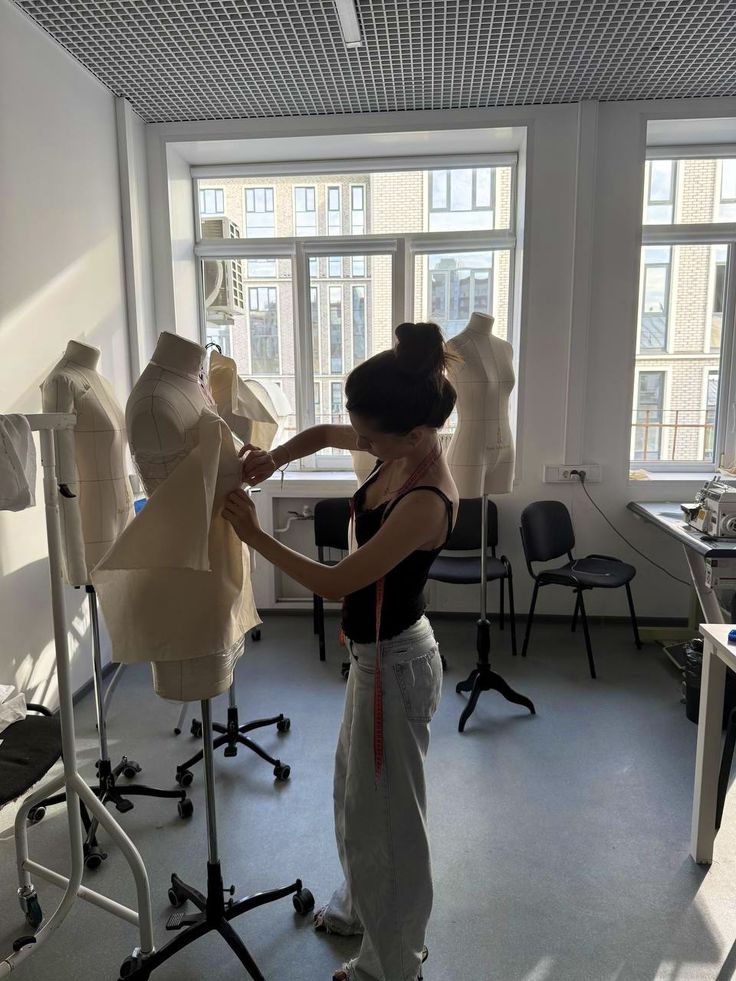
Fashion encompasses identity, emotion, memory, and self-expression in addition to clothing. Fashion psychology and aesthetic influence not only the colors we choose and how we style our outfits but also the accessories we select, reflecting our personality and mood. This is the fascinating intersection where human psychology meets visual style, shaping the way we present ourselves to the world.

Understanding the Mind Behind Clothing
Fashion encompasses identity, emotion, memory, and self-expression in addition to clothing. Fashion psychology and aesthetic play a crucial role in shaping the colors we choose, how we style our outfits, and the accessories we select. Understanding fashion psychology and aesthetic helps explain why certain patterns, textures, or silhouettes appeal to us and how they influence our mood, confidence, and self-perception. At the intersection of style and human behavior, fashion becomes a visual language that communicates personality and emotion even before words are spoken.
Clothing as a Form of Communication
Clothing is not merely functional or decorative; it is a form of expression. Through fashion psychology and aesthetic, we communicate subtle messages about our identity, social status, and emotional state. Bright colors can convey energy and optimism, while muted tones often project calmness or sophistication. Fashion aesthetics, such as minimalist, vintage, or streetwear styles, create an identifiable mood that reflects personal values and social alignment. By understanding fashion psychology and aesthetic, we can deliberately curate outfits that resonate with how we feel and how we wish to be perceived.
How Aesthetics Shape Self-Perception
The way we dress influences more than how others see us; it affects how we see ourselves. When clothing aligns with our personal style, confidence and comfort naturally increase. Psychologists refer to this phenomenon as “enclothed cognition,” meaning that garments can affect thought, behavior, and emotion. Fashion psychology and aesthetic demonstrate that wearing clothes that resonate with our inner self can impact posture, presence, and even performance. Whether it is a formal outfit for a professional setting or casual attire for a relaxed day, fashion helps shape our identity and emotional state.
The Role of Culture and Trends
At the same time, aesthetics are strongly shaped by culture and society. Social media, celebrities, films, and influencers constantly introduce new visual styles. Trends such as minimalism, soft aesthetics, Y2K revival, and streetwear spread rapidly because people are drawn to belonging. Wearing a certain aesthetic can make individuals feel part of a community. However, this also brings pressure. Many people feel they must follow trends to be accepted, even if the style does not reflect their true personality. Fashion psychology reminds us that authenticity matters more than imitation.
Fashion, Emotions, and Well-Being
Emotional well-being is also influenced by fashion. Just being dressed up can improve one’s mood, lower stress levels, and inspire enthusiasm. Wearing their favorite clothes makes a lot of individuals feel better. This emotional effect is influenced by color psychology, where cool tones can be calming while warm tints typically represent dynamism. People’s perceptions of their body’ comfort and confidence are influenced by textures, patterns, and shapes. Fashion provides harmony between the mind and the body when it is in line with personal aesthetics.
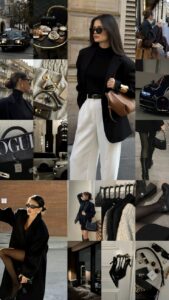
The Pressure of Perfect Aesthetics
But there is a darker side to fashion aesthetics as well. Self-esteem can be harmed by frequent comparison on social media. Sometimes people feel inadequate because of filters, unattainable physical standards, and carefully managed feeds. Instead of dressing according to what makes them feel good, they can start choosing clothes depending on how other people will perceive them. Recognizing these pressures and prioritizing self-expression over perfection are key components of understanding fashion psychology. Finding what feels authentic and empowering is more important for true aesthetic style than trying to fit into a predeter
Fashion as Personal Branding
Fashion is become a crucial instrument for personal branding in today’s world. A person’s public image, creativity, and career aspirations can all be supported by their attire. Influencers, business owners, and artists frequently purposefully use aesthetics to convey their identities and ideals. The psychological basis is still the same, though: clothes are a reflection of the psyche. People feel very confident and sincere when their exterior style and inner self align.
Conclusion
Style is ultimately much more than fabric and design, as fashion psychology and aesthetics demonstrate. Fashion is very personal, psychological, and emotional. It impacts behavior, reflects identity, and affects how we perceive the world. Fashion becomes a significant means of self-expression when we choose clothes with awareness, not only to follow trends but to express who we really are. Fashion becomes a means of feeling understood, self-assured, and connected to ourselves in addition to being a means of looking good when we recognize the psychological influence of aesthetics.
Authored by Maneesha A & Hiba Ansar