

Consumers are done with restrictive diets and chasing one magic superfood. The momentum in 2026 is moving toward balance, convenience, and nutrition that supports daily life instead of replacing it. These trends are not hype. They are driven by data, consumer behavior, and brands chasing growth.
Food and Nutrition
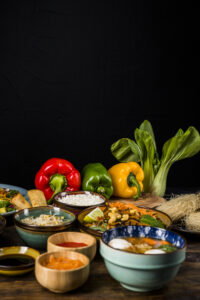
1. Functional Drinks Are Replacing Sugary Beverages
Consumers are substituting sodas with drinks that promise to improve concentration, support gut health, or give an energy boost. These new alternatives include drinks such as kombucha tea, “adaptogen drinks,” electrolyte drinks, and “nootropic” drinks. The answer is quite simple. Consumers crave caffeine without the crash or hydration without sugar bombs.
2. Fiber-Rich Snacks Are the New Protein Bars
For years the industry obsessed over protein counts. Today fiber is gaining energy because it helps digestion, reduces cravings, and improves gut health. You are seeing high-fiber chips, granola bars, and even cereals marketed to adults. Brands are pushing fiber because it keeps consumers full without getting labeled as unhealthy.
3. Exotic Citrus and Global Flavors Are Winning
Standard lemon and orange are boring now. Yuzu, finger limes, calamansi, and sudachi are appearing in drinks, desserts, and marinades. Consumers want new flavors and international cuisines. Restaurants and packaged food brands love it because flavor innovation requires less supply chain risk than creating new product categories.
4. The Rise of “Real Food” Ingredients
People are tired of ingredient lists that read like chemistry textbooks. The demand for fewer additives and more whole ingredients keeps rising. Products with chickpeas, lentils, mushrooms, and seeds are performing because they hit the protein-fiber-natural trifecta. The processed plant-based junk food phase is declining because consumers have realized that not all vegan products are healthy.
5. Cabbage Made a Comeback
Yes, cabbage. It is cheap, versatile, and TikTok turned it into a star. Cabbage steaks, roasted cabbage, and raw slaw bowls are everywhere. It fits the consumer desire for vegetables that are high in micronutrients without the influencer markup of kale or avocado.
6. Gut Health Became the Entry Point to Wellness
Probiotics and prebiotics are being added to food categories from yogurt to granola to chilled drinks. The logic is direct. Gut health influences digestion, immunity, and even mood. The marketing writes itself. The companies know this and are loading products with gut-related claims.
7. Less Restriction, More Practical Healthy Eating
Consumers are abandoning strict keto or extreme fasting routines because they are not sustainable long-term. The current movement is about balance and convenience. It focuses on small daily changes like swapping snacks, drinking cleaner beverages, and adding more plants. This is easier to sustain and more aligned with real life.
What’s Driving These Trends (Root Causes)
Driver 1: Health anxiety
People are stressed, sleep-deprived, and dealing with digestive issues. Food is the easiest self-medication because it doesn’t require a prescription or gym discipline.
Driver 2: Convenience culture
Nobody has time. Smart brands offer shortcuts:
-
ready-to-eat bowls
-
high-fiber snacks
-
functional drinks
-
pre-cut vegetables
Convenience without guilt is the winning formula.
Driver 3: Distrust in industrial “health foods.”
Consumers realized plant-based meat and low-fat snacks were just processed garbage with better PR. Now they check labels and care about “real” ingredients.
Driver 4: Influence loops
TikTok, Instagram, and micro-influencers push trends faster than the food industry can react. Cabbage didn’t trend because of nutritionists; it trended because someone made it look good on camera.Food and Nutrition
Winner and Loser Categories in 2026, Food and Nutrition
Most blogs never touch this because it requires thinking instead of copying press releases.
Winner Category: Functional beverages
Electrolyte powders, gut health sodas, nootropic coffees. They deliver benefits people can feel quickly.
Winner Category: Budget-friendly produce
Cabbage, carrots, root veggies, canned beans. This is inflation-proof nutrition.
Winner Category: Fermented foods
Kimchi, Sauerkraut, Kefir, Miso. Gut health and flavor innovation in one package.
Loser Category: Ultra-processed vegan meat
The protein positioned as ethical and healthy turned out to be expensive and processed. Consumers bounced.
Loser Category: Diet extremes
Keto, carnivore, juice cleanses, and hard fasting. People realized they couldn’t live like monks.
This is the type of detail that separates actual content from SEO filler.Food and Nutrition
How Brands Are Capitalizing (Industry POV)
If your blog never talks about business implications, you’re missing the interesting part.
Here’s how brands are playing it:
-
Label transparency: fewer ingredients, clearer claims.
-
Smaller packaging: makes functional snacks more affordable.
-
Science-backed marketing: gut health, brain health, stress reduction.
-
Collabs with wellness influencers: cheaper than traditional media.
-
Flavor rotation: yuzu, calamansi, matcha, chili-lime, ginger.
Brands aren’t driving trends, they’re surfing them.
How Consumers Are Changing (Behavior POV)
This is the part readers relate to.
People now:
-
build meals around plants even if they’re not vegetarian
-
snack more than they cook full meals
-
buy based on digestive comfort, not calories, Food and Nutrition
-
prefer sipping benefits (drinks) over swallowing pills
-
want cultural flavors beyond “Western healthy food.”
This is why cabbage, kimchi, and chickpeas suddenly look trendy.
Food and nutrition are shifting toward balance, real ingredients, and sustainable daily habits instead of restrictive diets or gimmicks. People want meals that support energy, digestion, and lifestyle without sacrificing flavor or culture. This shift is good because it pushes both consumers and brands toward choices that are healthier and more realistic to maintain. Written by rizwanamk, fidaraheesv.com, reemaishaque.com,