
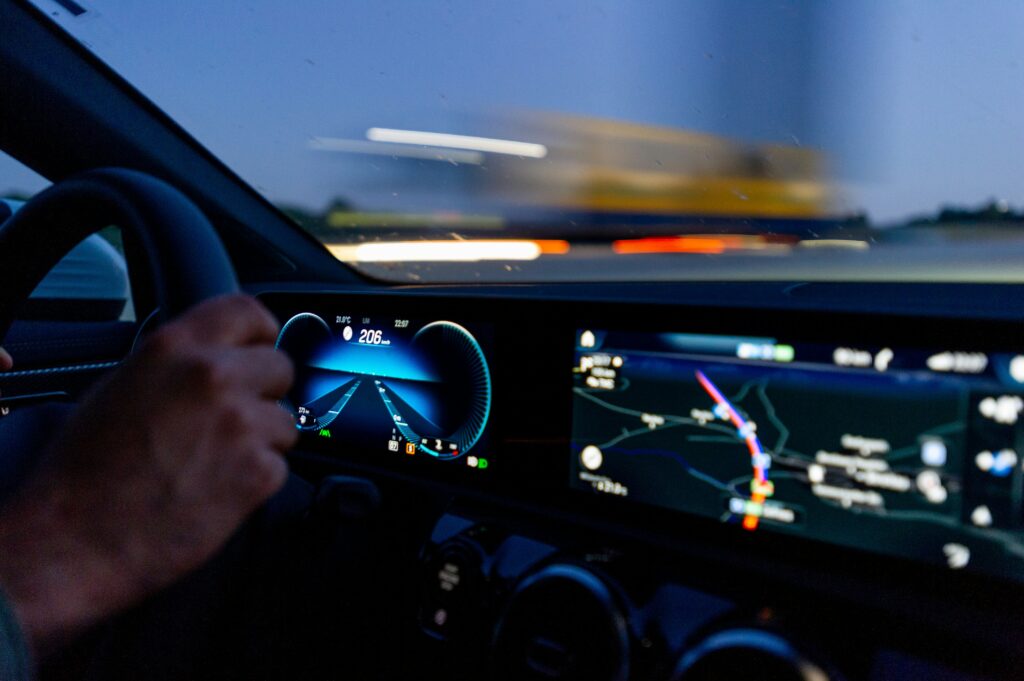
How AI Will Personalize Every Drive is more than a prediction—it is the future of transportation. Artificial intelligence (AI) is rapidly transforming vehicles from simple machines into intelligent companions that understand driver preferences, habits, and needs. Over the next ten years, AI-powered technologies will create highly personalized driving experiences, making every journey safer, more comfortable, and more efficient.
The Rise of Intelligent Vehicles
Modern vehicles already feature advanced driver-assistance systems, voice commands, and smart navigation. However, the next decade will bring a new level of personalization. AI systems will continuously learn from driver behavior, collecting data on driving styles, preferred routes, climate settings, and entertainment choices.
As a result, vehicles will automatically adapt to individual preferences. Drivers will no longer need to manually adjust settings every time they enter their car. Instead, the vehicle will instantly recognize them and create a customized environment.
How Artificial Intelligence Will Personalize Every Drive Within the Next Decade
One of the most exciting aspects of AI-powered transportation is the ability to create unique experiences for every driver. Future vehicles will analyze daily routines and make intelligent decisions without requiring manual input.
For example, a vehicle may automatically:
- Adjust seat position and mirrors.
- Set cabin temperature based on previous preferences.
- Select favorite music or podcasts.
- Suggest the fastest or most scenic route.
- Recommend fuel or charging stops when necessary.
These capabilities will make driving more convenient while reducing distractions. The vehicle will essentially become an intelligent assistant that understands its owner better with every trip.
Personalized Safety Features
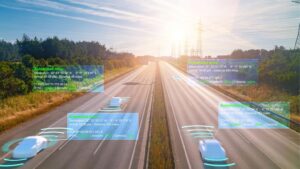
Safety will be one of the most significant benefits of AI integration. Instead of simply responding to dangers, future AI systems will predict potential hazards before they occur.
Using cameras, sensors, radar systems, weather information, and traffic data, AI can identify risks in real time. If the system detects driver fatigue, distraction, or unusual behavior, it can issue alerts or activate preventive measures.
Potential AI safety features include:
- Predictive collision avoidance.
- Driver fatigue monitoring.
- Real-time hazard detection.
- Emergency assistance activation.
- Adaptive speed recommendations.
These innovations will help reduce accidents and make roads safer for everyone.
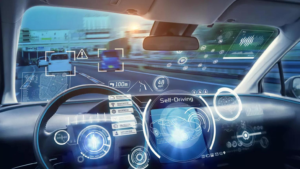
Smarter Entertainment and Connectivity
Entertainment systems will also become highly personalized. Rather than selecting content manually, AI will learn user preferences and provide tailored recommendations.
Imagine beginning your morning commute and having your vehicle automatically play your preferred news briefing. During evening drives, the system could switch to relaxing music and adjust cabin lighting to create a comfortable atmosphere.
Future AI-powered entertainment systems may offer:
Personalized playlists.
Smart podcast recommendations.
Voice-controlled content management.
Mood-based media suggestions.
Interactive virtual assistants.
This level of customization will transform the driving experience into something more engaging and enjoyable.
Predictive Maintenance and Vehicle Health
Vehicle maintenance is another area where AI will make a significant impact. Traditional maintenance schedules rely on fixed intervals, which often fail to reflect actual vehicle conditions.
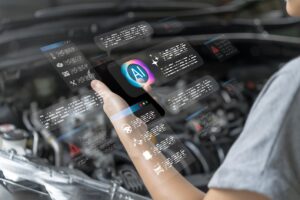
AI systems will continuously monitor engine performance, battery health, tire pressure, and other critical components. When a potential issue is detected, the vehicle will notify the driver before the problem becomes serious.
Benefits include:
Lower repair costs.
Reduced vehicle downtime.
Improved reliability.
Extended vehicle lifespan.
Predictive maintenance will save drivers both time and money while improving overall vehicle performance.
The Future of Human-Vehicle Interaction
As AI technology advances, vehicles will become increasingly aware of driver emotions, preferences, and routines. Future systems may detect stress levels through facial recognition or voice analysis and adjust the cabin environment accordingly.
Cars could recommend alternative routes during stressful traffic conditions, modify lighting to improve focus, or even suggest taking a break when fatigue is detected. These innovations will create a more human-centered driving experience.
Visit My Website: amalvk.in