
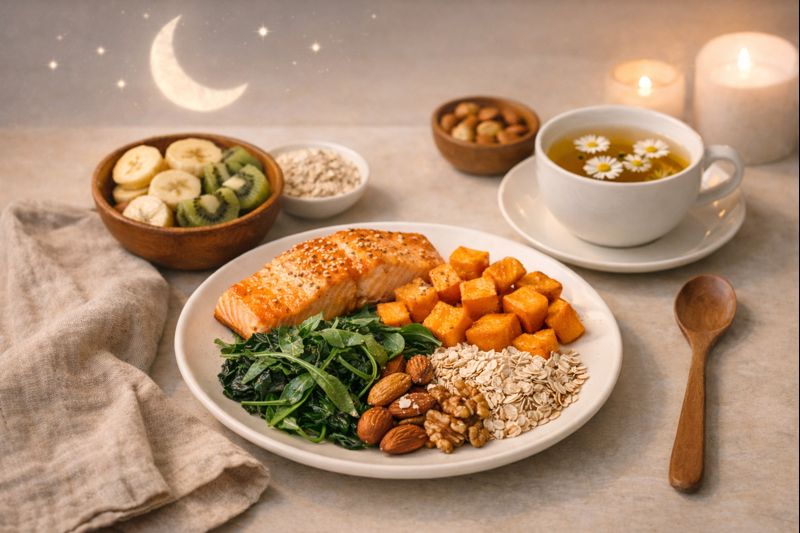
Sleep Friendly Diet Food Plan : How Eating Right Can Help You Sleep Better Naturally
If you’ve ever tossed and turned at night, staring at the ceiling and wondering why sleep won’t come, you’re not alone. Many people focus on sleep schedules, mattresses, or bedtime routines—but forget one powerful factor: food. What you eat during the day and before bedtime has a direct impact on how well you sleep at night. That’s where a sleep friendly diet food plan comes in.
Instead of relying on sleep aids or endless cups of herbal tea, adjusting your diet can help your body relax, calm your mind, and prepare naturally for rest. Let’s break it down in a simple, realistic way.
The Real Connection Between Food and Sleep
Your body needs the right nutrients to produce sleep-related hormones like melatonin and serotonin. When your meals lack balance—or include too much sugar, caffeine, or heavy fats—your sleep cycle can suffer. You may fall asleep late, wake up frequently, or feel tired even after a full night in bed.
A thoughtfully designed sleep friendly diet food plan supports your nervous system, keeps blood sugar stable, and signals to your body that it’s time to wind down.
Nutrients That Actually Help You Sleep
You don’t need fancy supplements to improve sleep. Many everyday foods already contain the nutrients your body needs:
Tryptophan helps your brain produce serotonin and melatonin.
Magnesium relaxes muscles and reduces stress.
Calcium supports melatonin production.
Vitamin B6 helps regulate sleep hormones.
Complex carbohydrates help these nutrients work better together.
When these nutrients are part of your daily meals, your sleep-friendly diet food plan becomes more effective and sustainable.
Foods That Support Better Sleep
Let’s talk about foods you can easily include in your daily routine.
Whole Grains
Oats, brown rice, and whole wheat bread help keep blood sugar steady and support melatonin production. They’re filling without being heavy.
Lean Protein
Chicken, turkey, eggs, tofu, and fish provide tryptophan and keep you satisfied through the night.
Nuts and Seeds
Almonds, walnuts, flaxseeds, and pumpkin seeds are rich in magnesium and healthy fats that calm the body.
Dairy Products
Milk, yogurt, and cottage cheese contain both calcium and tryptophan, making them excellent evening choices.
Fruits and Vegetables
Bananas, cherries, kiwi, spinach, and sweet potatoes are gentle on digestion and help relax the nervous system.
Including these foods regularly strengthens your sleep-friendly diet food plan without making it feel restrictive.
Foods That Can Ruin Your Sleep
Just as some foods help you sleep, others quietly work against you—especially at night.
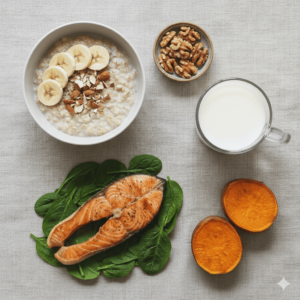
Try to avoid or limit
Coffee, energy drinks, and caffeine late in the day
Sugary desserts and processed snacks
Spicy or greasy foods close to bedtime
Alcohol, which disrupts deep sleep
Very heavy meals at night
Removing these triggers allows your sleep friendly diet food plan to work more smoothly.
A Simple Sleep Friendly Diet Food Plan (Daily Example)
Here’s a realistic daily structure that supports sleep without being complicated
Breakfast:
Oatmeal topped with banana and a few almonds
Lunch:
Grilled chicken or tofu, quinoa, and mixed vegetables
Afternoon Snack:
Greek yogurt with chia seeds or walnuts
Dinner (2–3 hours before bed):
Baked salmon, sweet potato, and spinach
Evening Snack (if needed):
Warm milk or a small banana with peanut butter
This type of routine keeps your energy steady during the day and helps your body relax at night—exactly what a sleep friendly diet food plan is meant to do.
Why Meal Timing Matters
It’s not just what you eat, but when you eat. Eating too late can lead to discomfort and restless sleep, while skipping dinner can cause hunger during the night. Try to finish your main meal at least two to three hours before bed. If you need a snack, keep it light and balanced.
Consistent timing helps your body recognize bedtime cues and enhances the benefits of your sleep friendly diet food plan.
Final Thoughts
Better sleep doesn’t always require big lifestyle changes. Sometimes, it starts on your plate. By choosing calming, nutrient-rich foods and avoiding common sleep disruptors, you give your body the support it needs to rest properly. A balanced sleep friendly diet food plan is one of the most natural and effective ways to improve sleep quality over time.
Start small—swap one meal, adjust one habit—and notice how your nights improve. Better sleep leads to better mornings, better focus, and better overall health