

Why We Can’t Stop Scrolling: The Psychology of Social Media is a question many people ask after realizing they have spent hours on platforms like Instagram, TikTok, Facebook, or X without even noticing the time. Social media has become a major part of our daily routine, but the reason behind endless scrolling goes far beyond entertainment. It is deeply connected to human psychology, brain chemistry, and the way digital platforms are designed to keep us engaged.

Why We Can’t Stop Scrolling: The Psychology of Social Media Explained
The answer to Why We Can’t Stop Scrolling: The Psychology of Social Media lies in how our brains respond to rewards. Every notification, like, comment, or interesting post triggers the release of dopamine, a neurotransmitter associated with pleasure and motivation. This small reward encourages us to continue scrolling in search of the next exciting piece of content.
Unlike traditional media, social media offers unpredictable rewards. You never know whether the next swipe will reveal a funny video, breaking news, or an inspiring story. This uncertainty creates a powerful habit loop that keeps users engaged for much longer than they originally intended.
The Infinite Scroll Effect
One of the biggest reasons people struggle to stop is the infinite scroll feature. Instead of reaching the end of a page, users are presented with an endless stream of content. Without a natural stopping point, the brain receives no signal that it’s time to quit.
This design removes the decision-making process. Rather than asking yourself whether to continue, your thumb automatically keeps scrolling. Over time, this behavior becomes a habit that feels almost effortless.
Fear of Missing Out (FOMO)
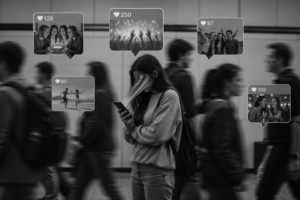
Another important psychological factor is the Fear of Missing Out, commonly known as FOMO. Social media constantly showcases friends’ achievements, trending topics, viral challenges, and breaking news. Many users worry they might miss something important if they stop checking their feeds.
This anxiety encourages frequent visits throughout the day. Even after closing an app, curiosity often brings users back within minutes, reinforcing the scrolling habit.
Personalized Algorithms Keep You Hooked

Modern social media platforms rely on sophisticated algorithms that study your behavior. Every like, comment, share, and watch time helps the platform understand your interests.
Once the algorithm identifies your preferences, it delivers increasingly relevant content. As a result, your feed becomes highly personalized, making it difficult to look away because almost every post feels interesting or relevant to you.
Social Validation and Human Connection

Humans naturally seek approval and connection. Likes, comments, shares, and followers act as digital forms of social validation. Receiving positive feedback creates feelings of satisfaction and belonging.
At the same time, many people compare themselves with influencers, celebrities, or even friends. This comparison can create emotional highs and lows that encourage repeated visits to social media, hoping for reassurance or validation.
The Role of Habit Formation
Repeated actions eventually become automatic habits. Many people check social media immediately after waking up, during meals, while commuting, or before going to bed without consciously deciding to do so.
Environmental cues such as phone notifications, boredom, or waiting in line often trigger the urge to open social media. Over time, these routines become deeply embedded in daily life.
The Impact on Mental Well-Being
Although social media offers entertainment and connection, excessive scrolling can affect mental health. Spending too much time online may contribute to reduced productivity, sleep disruption, increased stress, and feelings of anxiety or loneliness.
Maintaining a healthy balance is essential. Setting screen time limits, turning off unnecessary notifications, and taking regular digital breaks can improve overall well-being while still allowing users to enjoy the benefits of social media.
Conclusion
Understanding Why We Can’t Stop Scrolling: The Psychology of Social Media helps us recognize that endless scrolling is not simply a lack of self-control. It results from a combination of brain chemistry, persuasive design, personalized algorithms, and natural human emotions. By becoming aware of these psychological triggers, we can make more mindful decisions about our screen time and build healthier digital habits that support both productivity and mental well-being.
Written by:NAFLA