
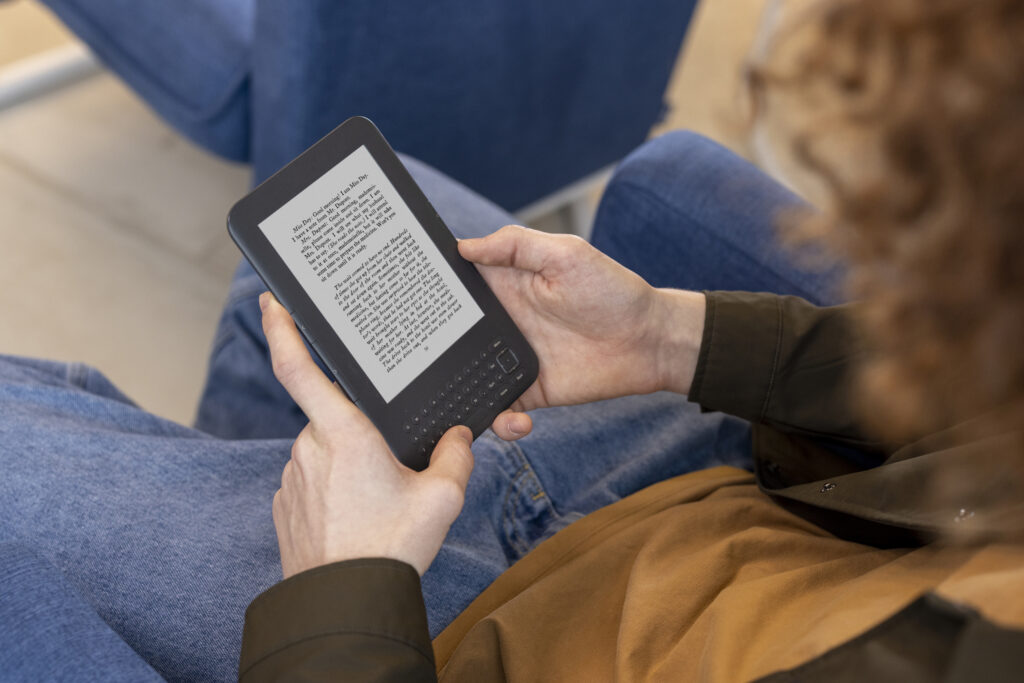
Digital reading has become one of the most popular ways to access books, articles, magazines, and educational resources. Whether you’re using a smartphone, tablet, e-reader, or laptop, digital reading offers unmatched convenience and flexibility. As technology continues to evolve, more people are choosing digital formats over traditional printed books because they provide instant access to information anytime and anywhere.
What Is Digital Reading?
Digital reading is the process of reading content in an electronic format rather than on paper. This includes eBooks, PDFs, online articles, blogs, and digital magazines. With the rise of mobile devices and cloud storage, readers can carry thousands of books in a single device, making it easier than ever to build a personal digital library.
Unlike traditional books, digital content often includes interactive features such as adjustable font sizes, built-in dictionaries, highlighting tools, note-taking options, and text-to-speech capabilities. These features improve the reading experience and make learning more accessible for people of all ages.
Benefits of Digital Reading
One of the biggest advantages of digital reading is convenience. Readers can instantly download books without visiting a bookstore or library. This saves both time and effort, especially for students and professionals who need quick access to study materials.
Another important benefit is portability. A lightweight e-reader or smartphone can store thousands of books, making it ideal for travelers and avid readers. Digital reading also supports environmentally friendly practices by reducing paper consumption and printing costs.
Additionally, digital platforms often allow readers to sync their progress across multiple devices. You can start reading on your tablet, continue on your phone, and finish on your laptop without losing your place.

How Digital Reading Improves Learning
Digital reading has transformed education by making learning materials more accessible. Students can access textbooks, research papers, and online resources instantly. Interactive features such as search functions, bookmarks, annotations, and hyperlinks help readers find information quickly and study more efficiently.
Teachers and educational institutions also benefit by distributing digital materials at lower costs while ensuring students always have access to updated content. This makes learning more flexible and engaging for both educators and learners.
Challenges of Digital Reading
Although digital reading offers many benefits, it also comes with a few challenges. Extended screen time may cause eye strain, headaches, or reduced concentration for some readers. Notifications from mobile devices can also interrupt focus and reduce reading comprehension.
To overcome these challenges, readers should take regular breaks using the 20-20-20 rule, adjust screen brightness, and consider using dedicated e-readers with e-ink displays that closely resemble printed paper.
Tips for a Better Digital Reading Experience
To get the most out of your digital reading sessions, choose a comfortable reading device and adjust the font size to suit your preferences. Enable dark mode or reading mode when reading at night to reduce eye strain.
Organize your digital library into folders or collections so you can easily find your favorite books. Taking notes, highlighting important sections, and setting reading goals can also improve comprehension and help build a consistent reading habit.

Conclusion
Digital reading has revolutionized the way people consume knowledge and entertainment. Its convenience, accessibility, and interactive features make it an excellent choice for students, professionals, and casual readers alike. While it is important to manage screen time responsibly, the advantages of digital reading far outweigh its limitations. As technology continues to advance, digital reading will remain a valuable tool for lifelong learning, personal growth, and easy access to information from anywhere in the world.
written by Midhuna M