
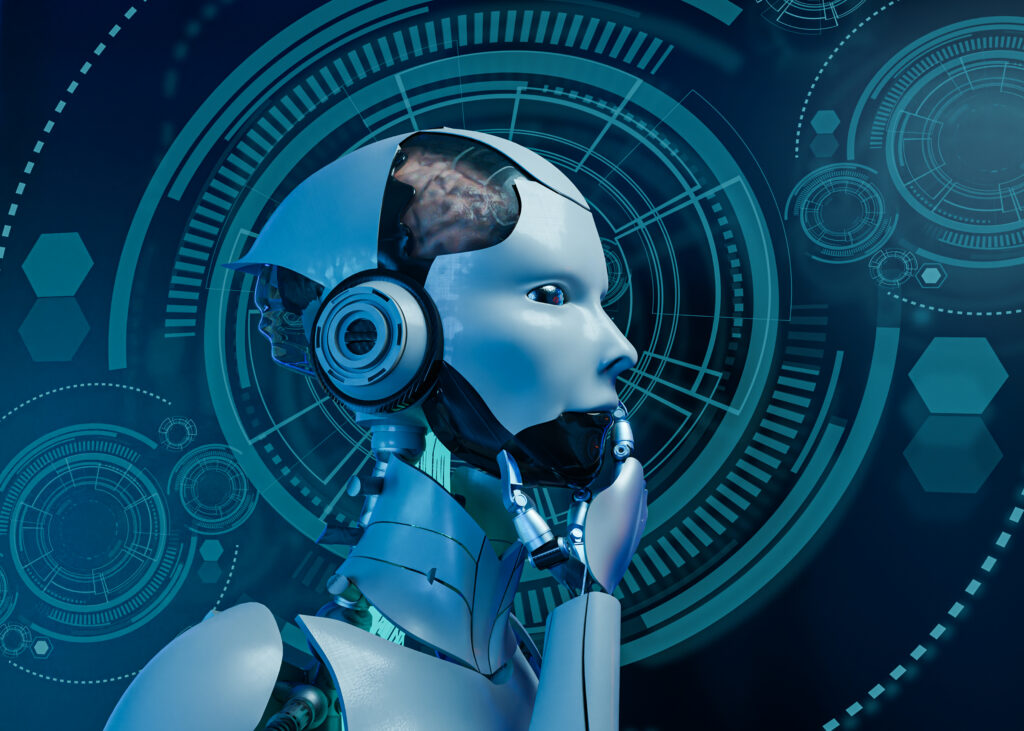
What Is AI?
How Artificial Intelligence Is Changing Everyday Life can be understood by first exploring what Artificial Intelligence (AI) actually means. Artificial Intelligence, commonly known as AI, is a branch of computer science that focuses on creating machines and software systems capable of performing tasks that usually require human intelligence. These tasks include learning from experience, understanding language, recognizing images, solving problems, making decisions, and adapting to new situations.
As AI continues to advance, it is becoming an important part of everyday activities, helping people and businesses perform tasks more efficiently and make smarter decisions.

How Artificial Intelligence Is Changing Everyday Life explores how Artificial Intelligence (AI) has become an essential part of modern life, influencing the way we work, communicate, shop, travel, and learn. From voice assistants and personalized recommendations to smart healthcare solutions and home automation, AI is making everyday tasks more efficient and convenient. As technology continues to evolve, Artificial Intelligence is helping individuals and businesses improve productivity, make informed decisions, and enhance user experiences. In this article, we will explore how AI is transforming everyday life, its key benefits, real-world applications, and the challenges that come with this rapidly advancing technology.
How Artificial Intelligence Is Changing Everyday Life. Just check some of the areas
1. AI in Smartphones
- Voice assistants like Siri and Google Assistant.
- Face recognition and biometric security.
- Smart cameras that automatically enhance photos.
- Predictive text and language translation.
2. AI in Online Shopping
- Personalized product recommendations.
- Faster and more relevant search results.
- AI-powered customer support chatbots.
- Fraud detection for secure online transactions.
3. AI in Healthcare
- Early disease detection and diagnosis.
- Remote patient monitoring.
- AI-assisted medical imaging.
- Faster drug discovery and research.
4. AI in Education
- Personalized learning experiences.
- AI tutors and learning assistants.
- Automated grading and assessments.
- Language learning applications.
5. AI in Transportation
- GPS navigation with real-time traffic updates.
- Driver-assistance features in modern vehicles.
- Smarter public transportation systems.
- The future of autonomous vehicles.
6. AI in Entertainment
- Personalized recommendations on streaming platforms.
- AI-generated playlists for music.
- Smarter gaming experiences.
- Content recommendations based on viewing habits.
7. AI in Banking and Finance
- Fraud detection.
- Smart budgeting tools.
- AI-powered customer service.
- Faster loan approvals and risk assessment.
8. AI at Home
- Smart speakers and home automation.
- Smart thermostats and lighting.
- AI-powered security cameras.
- Energy-saving automation.
Benefits of AI
- Saves time.
- Improves convenience.
- Increases efficiency.
- Enhances safety.
- Helps people make informed decisions.
Challenges of AI
- Privacy concerns.
- Data security.
- Job displacement in some industries.
- Ethical use of AI.
- Importance of responsible AI development.
Conclusion
How Artificial Intelligence Is Changing Everyday Life shows that AI is no longer a futuristic concept—it has become an essential part of our daily routines. From the moment people unlock their smartphones to the time they stream a movie, shop online, or navigate through traffic, AI quietly works in the background to make everyday tasks easier, faster, and more efficient. As Artificial Intelligence continues to evolve, using this technology responsibly and ethically will be essential to ensuring it creates positive benefits for individuals, businesses, and society as a whole.
Written By
Shamil Kannipoyil