
Essential Skincare Products You Actually Need vs. Products You Don’t
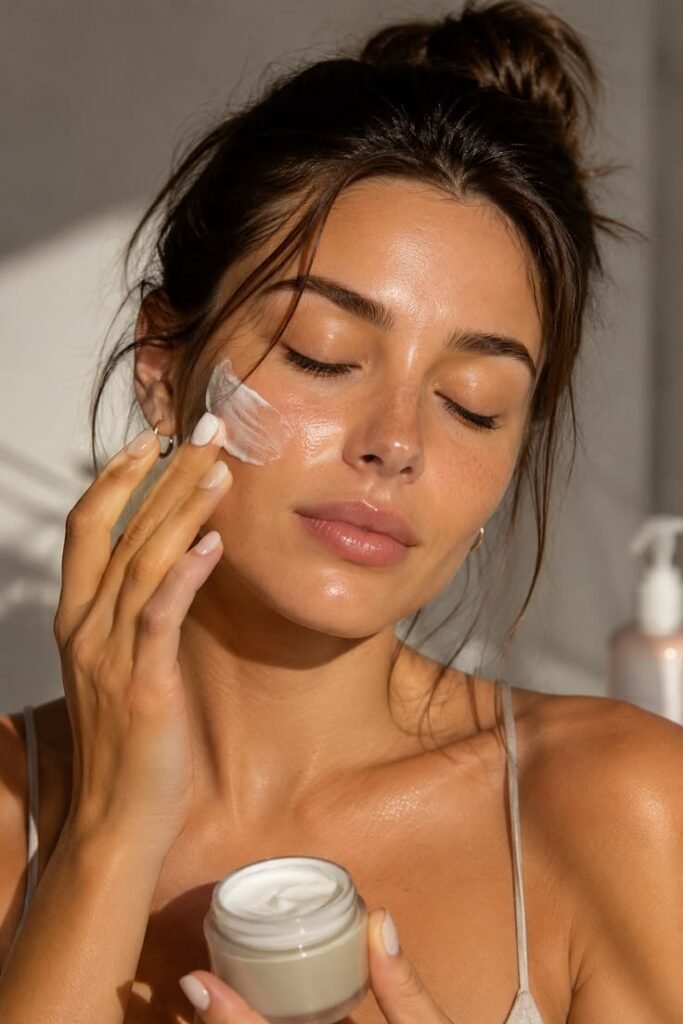
Essential Skincare Products are the foundation of a simple and effective skincare routine. With countless cleansers, serums, masks, toners, and creams available today, it can be difficult to know what your skin actually needs. The good news is that you don’t need a shelf full of products to maintain healthy-looking skin. Understanding which products are essential and which ones are optional can help you create a practical routine while avoiding unnecessary spending.
Start With the Basics
A good skincare routine does not have to contain ten different products. For most people, the foundation is simple: cleanser, moisturizer, and sunscreen. These products help keep your skin clean, hydrated, and protected from environmental exposure.
A gentle cleanser removes sweat, excess oil, dirt, and makeup without unnecessarily stripping the skin. Choose one based on your skin type and avoid products that leave your face feeling excessively tight or dry.
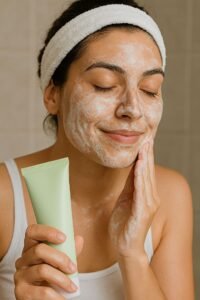
Moisturizer is another essential. Even oily skin can benefit from hydration. Lightweight gel moisturizers may work well for oily skin, while richer creams can be more comfortable for dry skin.

Sunscreen is arguably the most important daytime product. Regular sunscreen use helps protect exposed skin from ultraviolet radiation. Choose a broad-spectrum sunscreen with an appropriate SPF and apply enough to adequately cover exposed areas.

source
Skincare Products You Actually Need vs. Products You Don’t
When comparing Skincare Products You Actually Need vs. Products You Don’t, remember that skincare is personal. A product that is useful for one person may be completely unnecessary for another.
Products You Actually Need
1. Cleanser: A cleanser is useful for removing buildup from the skin, particularly at the end of the day.
2. Moisturizer: Keeping the skin moisturized supports the skin barrier and can reduce uncomfortable dryness.
3. Sunscreen: Daily sun protection is an important part of a basic skincare routine. It is particularly important when spending time outdoors.
4. Targeted treatment: Depending on your specific concern, a treatment product may be worthwhile. Ingredients such as salicylic acid, niacinamide, or retinoids can serve different purposes, but they should be introduced carefully.
Products You May Not Need
Not every trending skincare product deserves a permanent place on your shelf. Toners, face mists, sleeping masks, sheet masks, and facial oils can be enjoyable, but they are not necessarily essential for everyone.
For example, a toner may provide hydration or deliver a particular ingredient, but you can often get similar benefits from a well-formulated moisturizer or treatment. Face masks can also be a nice occasional addition, but they do not replace the basics of a consistent routine.
You should also be cautious about buying multiple products that perform essentially the same function. Using more products does not automatically mean better results.
Choose Products Based on Your Skin
Your skin type and concerns should guide your choices. Someone with dry skin may prioritize gentle cleansing and richer hydration, while someone with oily or acne-prone skin may prefer lightweight, non-comedogenic formulas.
Before purchasing a product, check its ingredients and consider whether it addresses a genuine need. Introducing one new product at a time can also make it easier to identify irritation or unwanted reactions.
Keep Your Routine Simple
Good skincare is not about having the biggest collection of products. It is about consistency and choosing products that serve a purpose. Understanding Essential Skincare Products You Actually Need vs. Products You Don’t can help you avoid unnecessary purchases and build a routine that works for your individual needs.
Start with the Essential Skincare Products, identify your specific concerns, and add targeted products only when there is a reason to do so. A simple, consistent routine can be far more practical than a complicated shelf full of products.
Written by