
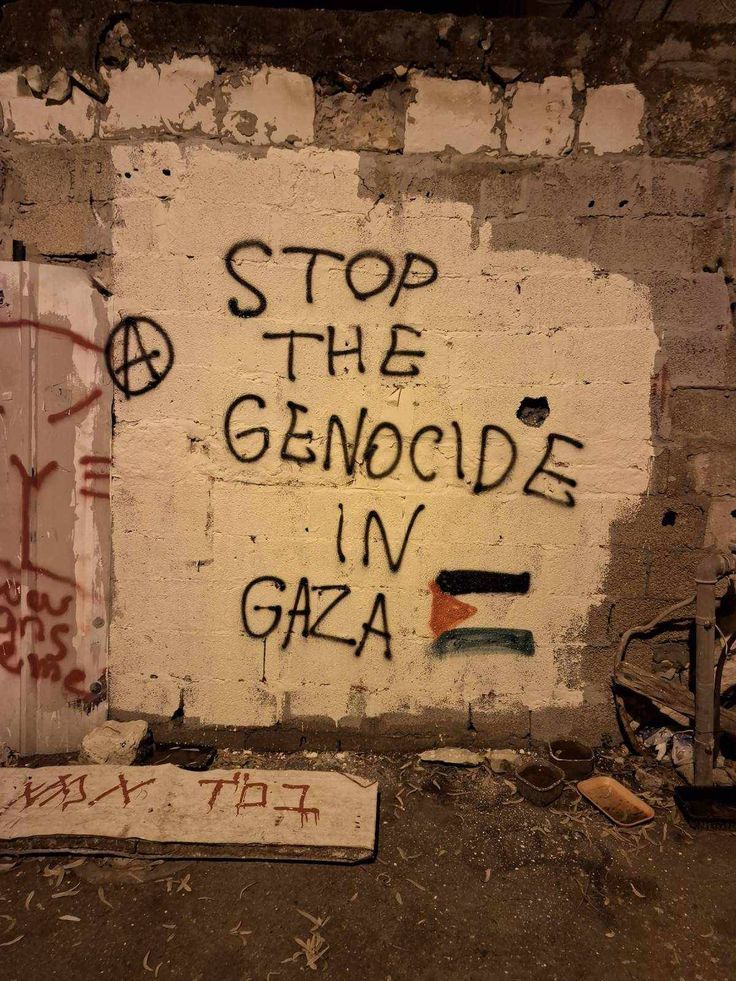

The Humanitarian Situation in Gaza: A Crisis That Demands Global Attention
For millions of people living in Gaza, humanitarian assistance has become a daily necessity rather than emergency relief. Years of conflict, political instability, economic hardship, and repeated military escalations have created conditions that many international organizations describe as one of the world’s most severe humanitarian crises. Behind every statistic are families who have lost loved ones, children growing up amid uncertainty, and communities struggling to access life’s most basic necessities.
A Population Living in Constant Uncertainty
The Humanitarian Situation in Gaza The conflict has forced a large portion of Gaza’s population to leave their homes, often multiple times. Families who once lived in permanent houses now find themselves in overcrowded shelters, temporary tents, schools, or partially damaged buildings. Many have been displaced repeatedly as fighting has shifted from one area to another.
Displacement affects every aspect of daily life. Children lose access to stable education, parents struggle to provide for their families, and elderly or disabled people face even greater challenges in finding safe shelter. Living in temporary conditions for extended periods also increases the risk of illness and emotional trauma.
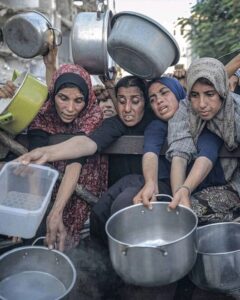
Hunger Has Become a Daily Reality
Food insecurity remains one of the biggest challenges facing Gaza’s residents. Many families struggle to obtain enough nutritious food, while rising prices and damaged supply chains have made basic necessities increasingly difficult to afford.
Humanitarian agencies continue delivering food aid whenever possible, but they have repeatedly reported that security concerns, damaged infrastructure, funding shortages, and restrictions affecting humanitarian operations have limited their ability to reach everyone in need. As a result, many households depend almost entirely on humanitarian assistance to survive.
Healthcare Under Extreme Pressure
Hospitals and healthcare workers continue to operate under extraordinary conditions. Medical facilities face shortages of medicines, fuel, equipment, and specialized supplies, while many hospitals have also sustained damage during the conflict.
Doctors and nurses work under immense pressure, treating large numbers of patients while dealing with limited resources. Routine medical services, surgeries, maternal healthcare, and treatment for chronic illnesses have all been significantly affected, leaving many patients without the care they need.
Clean Water and Sanitation Remain Critical Challenges
Access to safe drinking water has become increasingly difficult for many communities. Damage to water systems, electricity shortages, and limited sanitation services have reduced the availability of clean water across much of Gaza.
Poor sanitation and overcrowded living conditions increase the risk of infectious diseases, particularly among children. Humanitarian organizations continue working to restore water systems and provide emergency sanitation support, but the scale of the need remains enormous.
Children Bear the Greatest Burden
Children have experienced some of the conflict’s most devastating consequences. Many have been displaced, separated from family members, injured, or exposed to repeated traumatic events. Schools have been damaged or turned into shelters, disrupting education for extended periods.
Mental health professionals warn that prolonged exposure to violence, displacement, and uncertainty can have lasting psychological effects on children, making emotional support and education essential parts of the humanitarian response.
The Challenge of Delivering Humanitarian Aid
The Humanitarian Situation in Gaza International organizations, including the United Nations, the International Committee of the Red Cross, and numerous humanitarian agencies, continue to provide emergency assistance such as food, healthcare, shelter, clean water, and medical supplies.
However, humanitarian workers consistently report major obstacles to delivering aid. Security risks, damaged roads, logistical difficulties, funding shortages, and restrictions on humanitarian operations have all affected the speed and scale of relief efforts. These challenges make it difficult to meet the growing needs of civilians.
The Need to Protect Civilians
International humanitarian law requires all parties to armed conflicts to protect civilians and facilitate humanitarian assistance. Numerous international organizations have expressed concern about the impact of the conflict on civilian populations and have called for increased humanitarian access, protection of medical facilities, and accountability for violations of international law where they occur.
At the same time, humanitarian groups stress that civilians—regardless of nationality or identity—should never bear the consequences of armed conflict.
Looking Beyond the Headlines
The Humanitarian Situation in Gaza The humanitarian situation in Gaza is more than a political issue; it is a human one. Families need food, children need education, patients need healthcare, and communities need the opportunity to rebuild their lives with dignity and security.
While humanitarian aid remains essential, many international organizations emphasize that lasting improvements will require sustained access for relief operations, protection of civilians, reconstruction of critical infrastructure, and a long-term political solution that addresses the security and human rights of both Palestinians and Israelis.
Final Thoughts
The Humanitarian Situation in Gaza The crisis in Gaza reminds the world of the profound human cost of prolonged conflict. Regardless of political perspectives, the suffering of civilians highlights the urgent need for humanitarian assistance, respect for international law, and continued efforts toward a peaceful and sustainable resolution. Understanding the realities faced by ordinary people is an important step toward fostering informed discussion and supporting efforts to reduce human suffering.
Understanding global issues reminds us of the importance of responsible communication and authentic storytelling. Whether you’re raising awareness for a humanitarian cause or growing a business, impactful content has the power to educate, inspire, and create meaningful engagement.
If you’re looking to build a strong online presence through high-quality blogs, SEO content, or digital marketing strategies, I’m here to help.
I’m Muhammed Naseeh, a Digital Marketing Strategist in Kannur, helping businesses and personal brands grow through SEO, content marketing, website optimization, and creative digital campaigns.
Let’s create content that informs, connects, and delivers results.
Visit my portfolio and get in touch to start growing your digital presence today.