
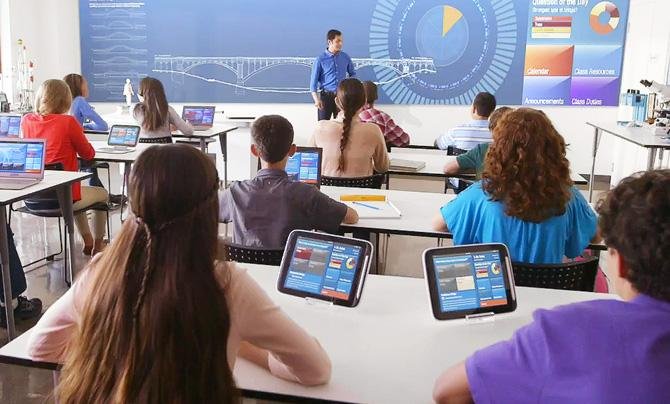
The Role of Technology in Modern Education has become increasingly significant as schools, colleges, and training institutions embrace digital tools to enhance learning experiences. Technology is no longer just a supplementary resource; it has become an integral part of how students learn, collaborate, and develop essential skills for the future.
Technology has transformed traditional classrooms into interactive learning environments. Digital devices such as laptops, tablets, and smartboards enable educators to present information in engaging ways. Students can access educational content instantly, participate in virtual discussions, and complete assignments through online platforms. This accessibility helps create a more flexible and personalized learning experience.
The Role of Technology in Modern Education: Enhancing Learning Outcomes
One of the most important benefits of technology in education is its ability to improve learning outcomes. Interactive learning applications, educational videos, and virtual simulations make complex concepts easier to understand. Students can learn at their own pace, revisit lessons when needed, and explore subjects beyond the classroom curriculum.
Online learning platforms have also expanded educational opportunities for learners worldwide. Whether pursuing professional certifications or academic degrees, students can access high-quality resources regardless of their location. This has helped bridge geographical barriers and promote inclusive education.
Another advantage is improved communication and collaboration. The Role of Technology in Modern Education is clearly visible in the way teachers can share study materials, provide instant feedback, and communicate with students through digital platforms. Similarly, students can collaborate on projects using cloud-based tools, encouraging teamwork, communication, and problem-solving skills that are highly valuable in modern workplaces. This enhanced connectivity creates a more interactive and collaborative learning environment.
Technology also supports data-driven education. The Role of Technology in Modern Education is reflected in the use of learning management systems that can track student performance, identify areas of improvement, and help educators tailor instruction to individual needs. This personalized approach enhances student engagement, supports academic success, and enables educators to make informed decisions that improve learning outcomes.
Despite its many advantages, technology should be used thoughtfully. Excessive screen time, digital distractions, and unequal access to devices remain challenges that educational institutions must address. Balancing technological innovation with effective teaching practices is essential for maximizing its benefits.
In conclusion, The Role of Technology in Modern Education continues to shape the future of learning by improving accessibility, engagement, and collaboration. As technology evolves, educational institutions must adapt to ensure students develop the knowledge and skills needed in a rapidly changing world. By integrating digital tools responsibly, educators can create more effective and inclusive learning experiences for all.
Encouraging Student Engagement and Creativity
Modern educational technology encourages students to become active participants in the learning process. The Role of Technology in Modern Education is evident in the way interactive quizzes, multimedia presentations, and project-based learning tools make lessons more engaging and enjoyable. Students can express their creativity through digital content creation, including videos, presentations, blogs, and graphic designs. This hands-on approach helps improve critical thinking, problem-solving abilities, and overall engagement with course material, making learning more effective and meaningful.
The Future of Educational Technology
As innovations such as artificial intelligence, virtual reality, and augmented reality continue to evolve, the educational landscape is expected to undergo further transformation. The Role of Technology in Modern Education will become even more significant as these advanced tools create immersive learning experiences, allowing students to explore complex concepts in interactive and realistic environments. Educational institutions that embrace these advancements will be better positioned to provide high-quality learning experiences, foster innovation, and prepare students for the demands of the future.
Supporting Teachers in the Classroom
Technology also benefits educators by simplifying administrative tasks and improving instructional effectiveness. Digital grading systems, automated assessments, and learning management platforms save valuable time that teachers can dedicate to student support and lesson planning. Additionally, access to online teaching resources enables educators to continuously enhance their teaching methods and stay updated with the latest educational trends.
written by Rafnasherin